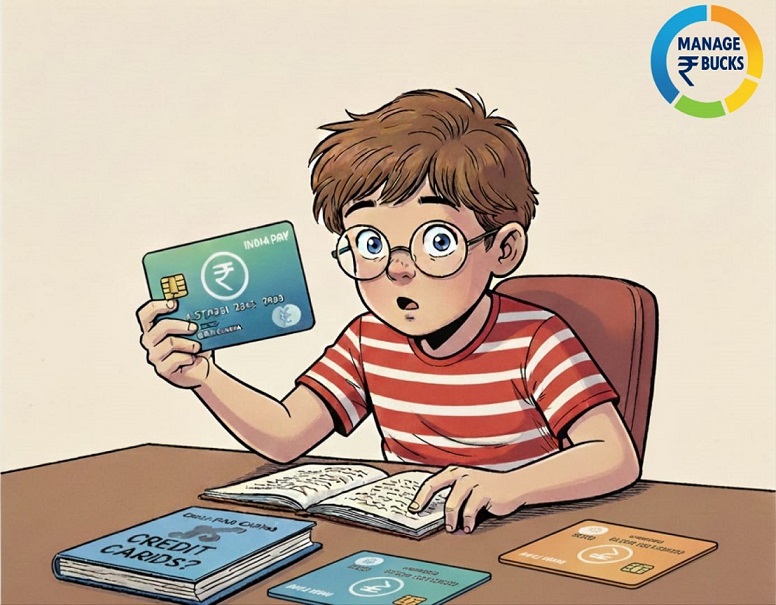
The use of Credit Cards has become very common these days, but not everyone is fully aware of them. Beginners are often confused about how to use them. This guide will help you understand in simple terms what is a Credit Card and A Complete Guide about this.
What is a Credit Card?
A Credit Card is a small Payment Card issued by a Bank or Financial Institution. It allows you to make purchases or payments on Credit now and then pay later. It allows you to make payments both physically and online.
How does a Credit Card Works?
How does a Credit Card work? We can understand it in simple language in a step by step manner as follows :
- First of all, you swipe the Card to make Payment or make Online Payment which gets deducted from your Credit Limit.
- After this, when the Bill is generated, the card issuer sends you a Statement, after which you generally get 15-20 days to pay the Bill.
- Lastly, you pay your Bill through various modes like Auto-Debit, Net Banking, UPI etc.
- You can understand this through an example: You have a Credit Card with a Credit Limit of ₹ 50,000. You make Purchases worth ₹ 15,000 in a month, the Bill for which is generated on the 21st of the month and the Bill Due Date is 9th of the next month. After this, you make an Online Payment of ₹ 15,000 on the 5th of the next month, then your Bill for that month gets paid and the Credit Limit returns to ₹ 50,000.
Types of Credit Cards
If you are confused about which Credit Card is right for you, here are some Types of Cards that will help you select the Card according to your needs:
- Rewards Cards – These reward you with Points upon spending, which you can later redeem for Purchasing Items, Vouchers, Discounts, etc.
- Cashback Cards – You get cashback when you spend with these cards. For example, if you purchase an item worth ₹ 1,000 using this card, you’ll get ₹ 10-20 cashback.
- Co-Branded Cards – These cards provide offers on a particular brand, in simple words when you spend on that brand you get special benefits like Amazon, Flipkart, IRCTC etc. for example Amazon Pay ICICI card (5% on Amazon), Flipkart Axis Credit Card (for Flipkart).
- Fuel Cards – These cards benefit you when you spend on Fuel (like Petrol, Diesel). For example, ICICI HPCL Coral Credit Card, IndianOil HDFC Credit Card, etc.
- Travel Cards – These cards are specifically for people who travel a lot. They provide you benefits with travel like free Lounge Access, Flight deals, Hotel deals. For example, HDFC Diners Club Black Credit Card, SBI Card Miles Elite, etc.
- Secured Cards – These cards are issued against fixed deposits. They are specifically for those with a zero or low credit score. They help improve your credit score.
- Lifestyle Cards – These provide you with discounts and offers related to your Lifestyle like Movies, Food Delivery, Dining, Entertainment etc. For example – Kotak PVR Gold Credit Card, HDFC Diners Club Black Credit Card.
- Business Cards – These are especially useful for business owners and provide rewards and offers on business spend. For example – Axis Bank Business Supreme Master Credit Card, ICICI Bank Business Advantage Black Card.
Advantages/Benefits of Credit Cards
Credit Cards aren’t just for shopping; they also offer many other benefits that help you in your daily life. Let’s explore some of the main Advantages here :
1. Buy now, Pay Later
Even if you don’t have the Money right now, you can still buy what you need and pay for it later when you have the Money.
2. Rewards, Cashback & Offers
Every time you swipe or spend, you get Reward Points, Cashback, Discounts and other Offers.
3. Build Credit Score
If you make your Payments on time, your Credit Score improves, which helps you get Loans easily in the future.
4. Safety
Using a Credit Card is safer, it offer more fraud protection. If your card is stolen, you can block it or file a Complaint if it’s misused, your Bank will help you. Some cards offer fraud protection.
5. Helpful in Big Expenses
If we do not have money right now and we have to make some big expenditure like AC, Fridge, Mobile etc. then we can make easy EMI for it by paying through Credit Card.
6. Helpful in Emergencies
If there is any sudden incident like Medical help, Travel or any sudden need at home, then you can make it as per the limit of your card and later when you have money, you can make the payment in one go or through Easy EMI.
Disadvantages of Credit Cards
Using a Credit Card doesn’t just have its advantages, it can also have Disadvantages. Let’s discuss some of the main Disadvantages:
1. Habit of Overspending
Even when we don’t have money, we may spend it, thinking we’ll pay it back in a while. We often don’t think before spending, which leads to an Overspending.
2. High Interest
If you do not make the Payment on time, you have to pay very High Interest which can be up to 30-40% per annum.
3. Debt Trap
If you think you’ll just make the minimum payment instead of the full amount, you’re making a big mistake. This accrues Interest on your Actual Balance, and you quickly fall into a Debt Trap.
4. Fees & Hidden Charges
Credit Cards also have some Fees and Hidden Charges like Annual Fees, Cash Withdrawal Charges, Late Fees, etc. You should be aware of these.
5. May damage your Credit Score
If you don’t pay your Bill on time, it damages your credit score, which can make it difficult for you to get a Loan in the future.
6. Cash Withdrawal is Expensive
If you withdraw Cash, the charges are very high which costs you a lot.
Tips for Smart Use
- Always pay the full Bill, do not make a habit of paying the Minimum Dues.
- Keep credit utilization low by using 20-30% of your Credit Limit.
- Spend only what you can comfortably afford.
- Avoid cash withdrawals as it attracts higher Interest.
- Select the Card type as per your Requirement.
- Track spending by checking Messages, Notifications and Monthly Statement regularly.
- Keep only 1-2 cards; more Cards increase Confusion and lead to Overspending.
- Set Payment reminders so that you can make Payments on time.
- Be aware of Fees and Hidden Charges.
Key terms in Credit Cards
- Credit Limit – Maximum amount you can spend with the Card.
- Available Limit – The amount you can spend right now.
- Billing Cycle – This is the time period (usually 30 days) for which your transactions count.
- Statement / Credit Card Bill – A monthly report showing all your transactions, how much you need to Pay, and when the Due Date.
- Due Date – This is the last date to pay the Bill.
- Minimum Amount Due – This is the small portion of the Bill that you must pay by the due date to avoid Late Fees.
- Outstanding Amount – The amount that is still available to be paid.
- Interest Rate / APR (Annual Percentage Rate) – The Interest Rate charged on unpaid balances. Credit Card interest is usually very high.
- Grace Period – The period between the Statement Date and the Due Date. No interest is charged during this period.
- Late Fee – Charges if you do not pay before the due date.
- Annual Fee – An annual fee for using the Card. Some cards are free for the first year or Lifetime.
- Rewards Points – These points are earned on spending which can be Redeemed later.
- Cashback – When you get some part of your money back after spending it.
- OTP (One Time Password) – When you make an Online Payment, this code is sent to you for confirmation.
- PIN (Personal Identification Number) – You have to enter this while swiping the Card.
- Credit Utilization Ratio – The percentage of the total Credit Limit that you use.